We are a group of people interested in bringing Bible stories in our languages (Nepali, Bhutia, and Lepcha). We hope you will enjoy, engage, and share them.
To craft stories in both Bibleless languages or with languages that have the Bible in the mother tongue, we use Story notes and a methodology called Craft2Tell. Story notes are helpful for crafting trustworthy and understandable Bible stories on specific Bible passages. They are designed to help facilitators lead crafting sessions, but they can be used in a variety of contexts.
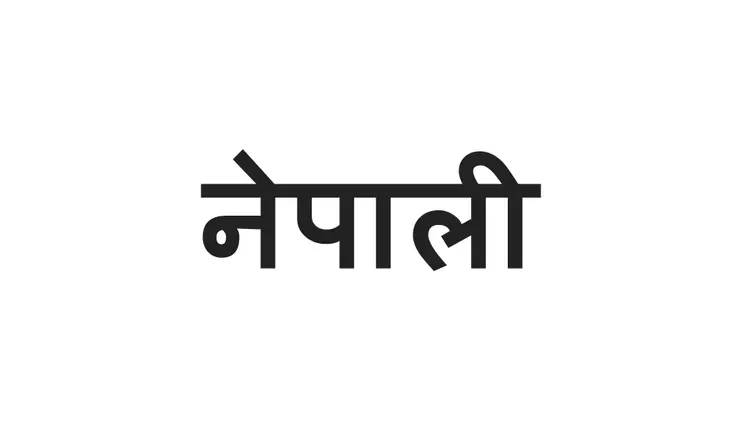

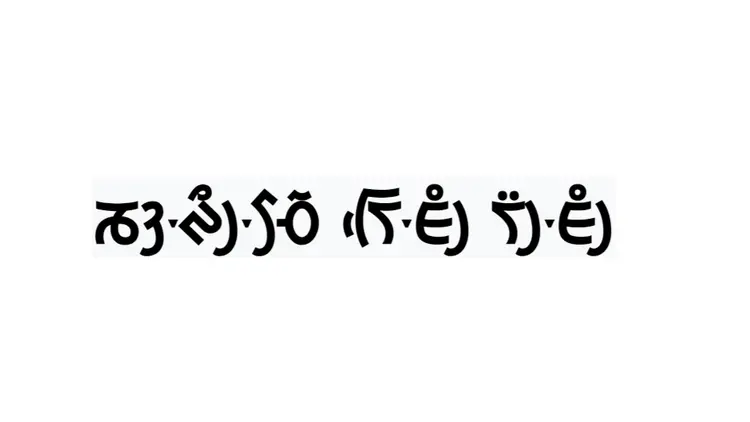
Nepali
Number of speakers: 32 million (Approx)
Writing Script: Devanagari script, Ranjana script, Brahmi Script
Spoken in: Nepal, India, Bhutan, Myanmar, Brunei
Nepali is a member of the Eastern Pahari branch of the Indo-Aryan language family. It is spoken mainly in Nepal and northern India by about 32 million people, 19 million of whom speak it as a native language. Nepali is a statutory national language in Nepal, and about 45% of Nepali people (12.3 million) speak Nepali as their mother tongue, and another 33% (8.6 million) speak it as a second language. It is the main language of government, education, and the legal system.
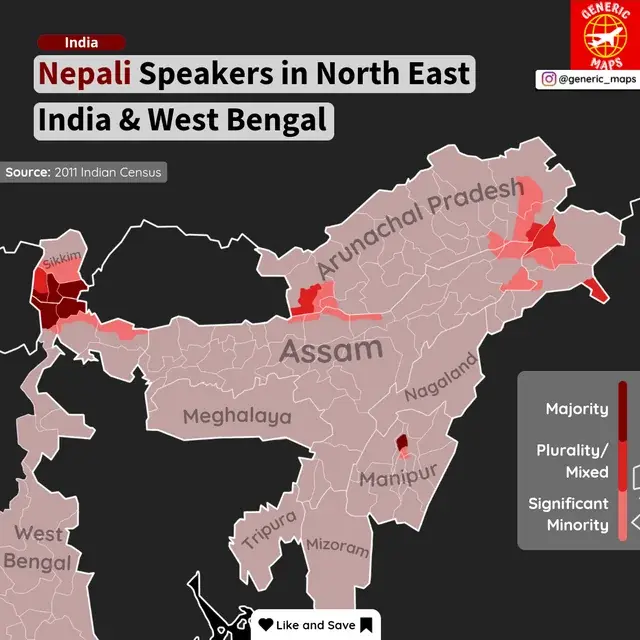
In India: There are about 2.9 million Nepali speakers in India, mainly in the states of Sikkim and Darjeeling, Kalimpong, and other parts of West Bengal, where it is a statutory provincial language, and also in the states of Arunachal Pradesh, Assam, Himachal Pradesh, Manipur, Mizoram, and Uttarakhand.
Nepali speakers in Bhutan make up about 35% of the population and are known as Lhotsampa (ལྷོ་མཚམས་པ་)
nepali1.pdf
Bhutia/Denzongke
Number of speakers: 70,000 (approx.)
Writing Script: Tibetan Script.
Spoken in: Most Bhutias live in Sikkim, while a significant number also reside in the Darjeeling and Kalimpong districts of northern West Bengal and countries such as Nepal and Bhutan.
Bhutia/Denzongke: The language spoken by the Bhutias of Sikkim is Drejongke, a Tibetic language that is 65% lexically similar to Dzongkha, the language of Bhutan. By comparison, Drejongke is only 42% lexically similar to Standard Tibetan. It is also known as Sikkimese Tibetan, Bhutia, Dranjongke (འབྲས་ལྗོངས་སྐད་), Dranjoke, Denjongka, Denzongpeke or Denzongke.
Sikkimese is closely related Dzongkha and there is some mutual intelligibility between them. It is less closely related to Tibetan, though many Sikkimese speakers also speak Tibetan, as well as Nepali.
For most of its history, Sikkimese was an oral language. After Sikkim became a state of India in 1975, Sikkimese started to be taught in schools in Sikkim, and a way to write it with the Tibetan alphabet was developed. By 2001, about 68% of Bhutia people were literate in their language.
462805699_3792186994363925_6621679899930460607_n.pdf
sikkimese_cons.pdf
Lepcha
Number of speakers: 80,000 (approx.)
Writing Script: Lepcha Script.
Spoken in: Sikkim, Kalimpong, Darjeeling (West Bengal), Nepal, and Bhutan.
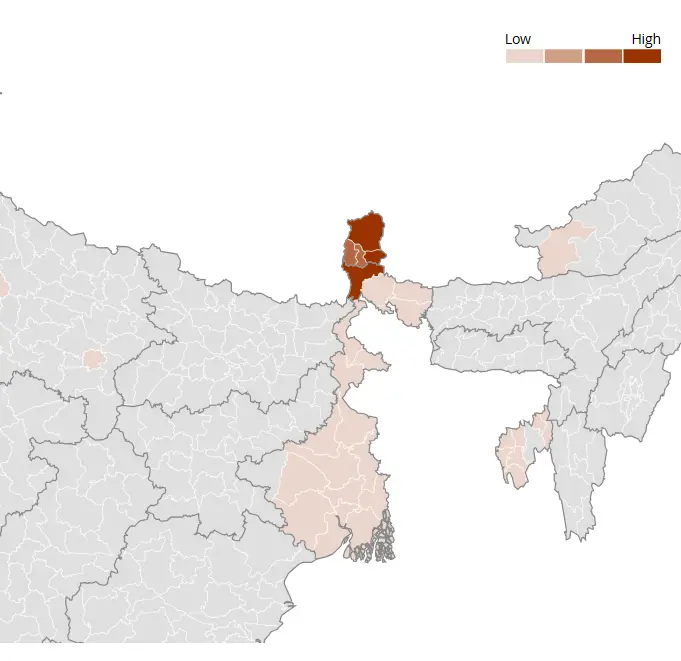
Lepcha language is a Tibeto-Burman language spoken in parts of India, Nepal and Bhutan by about 66,730 people. In 2011 there were 47,300 Lepcha speakers in Dzongu district of Sikkim state, and in Kalimpong and Darjeeling in West Bengal in the north east of India. There were 11,700 Lepcha speakers in Samtse district of southwestern Bhutan in 2013, and there were 7,730 speakers of Lepcha in the Ilam district in the southeast of Nepal in 2011.
Lepcha is also known as Lapche, Nünpa, Rongke, Rongpa, Róng, Róng-ríng or Róngkup. The name Lepcha comes from a Nepali term meaning "inarticulate speech". Lepcha speakers call their language ᰛᰩᰵᰛᰧᰵᰶ (róngríng - "language of the Róng) and themselves ᰛᰩᰵᰀᰪᰱ (róngkup - "children of the Róng"). The Lepcha script is known as ᰀᰂ (kakha - the first two letters), ᰇᰨᰕᰧᰵᰶ (chomíng - "written letters") or ᰕᰧᰵᰶᰙᰳ (míngzât - "treasure of letters").
lepcha (2).pdf
Nepali language speakers in mostly in Nepal and India - Sikkim, Darjeeling District, and Kalimpong District.
Sikkim, Darjeeling District, and Kalimpong District have the highest concentration of Bhutias.
Lepchas are found in Sikkim, Darjeeling district, and Kalimpong district. The majority of Lepchas reside in the Dzongu region of Sikkim. But smaller populations are found in the neighboring states and countries like Nepal and Bhutan.



The information on these pages comes from Omniglot (Simon Ager) and wikipedia.org
Copyright: This website and its content is copyright of Simon Ager - © Simon Ager 1998-2025. (All rights reserved. If you would like to use the material for personal, educational or non-commercial purposes, you're welcome to do so. Don't forget to mention where it came from.)
